


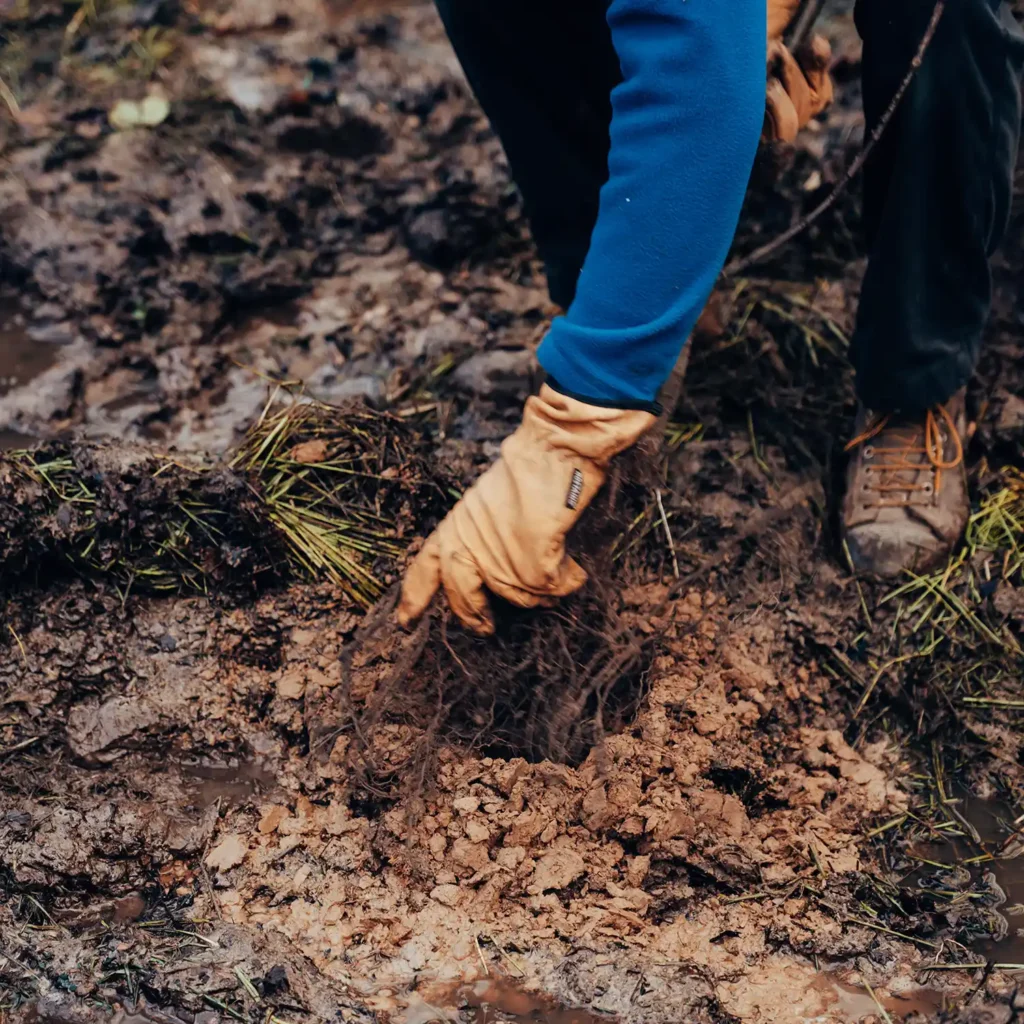
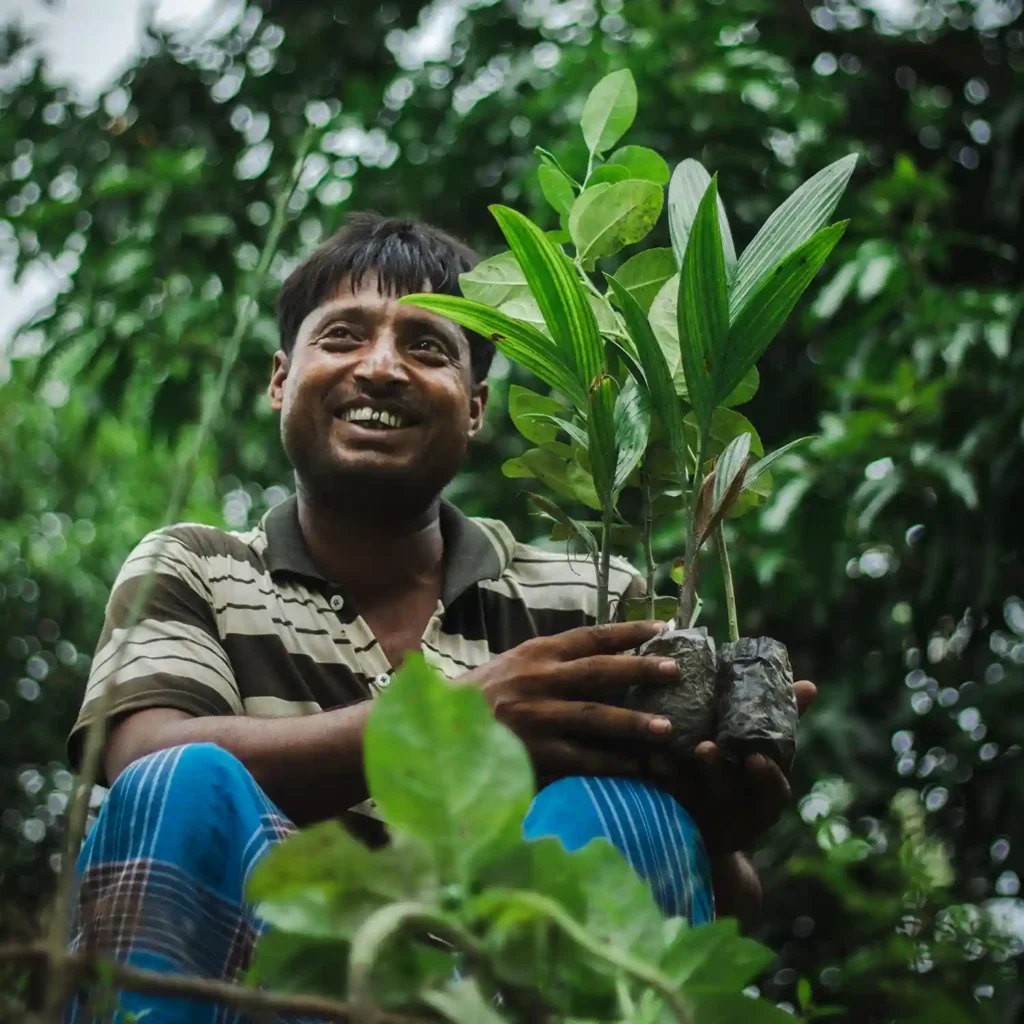

Reforestation & Agroforestry in The D.R. Congo
Together with Faja Lobi, Go Forest works with the local communities in a bottom-up approach to realise large-scale reforestation and agroforestry projects. We plant native species on degraded soils to restore biodiversity and the manual labor creates many local jobs.

Agroforestry in India
The primary objective of this project, in collaboration with Symagine, is to combat climate change through participatory tree planting, while also preserving threatened biodiversity, building local capacity and awareness around reforestation, and contributing to the local economy and nutrition — indirectly but meaningfully — through these efforts.


Agroforestry in India
Gold Standard ⎸ Off-take credits
This project supports marginal farmers in drought-prone regions of India by establishing resilient agroforestry systems. By integrating trees into existing farming systems, it enhances climate resilience and improves soil health and biodiversity. Carbon revenues and non-timber products diversify income, while education and gender equality initiatives strengthen rural communities.

Agroforestry & Reforestation in Argentina
Go Forest and field partner Alianza Wichi act to protect and defend indigenous cultures, nature, and biodiversity of the Yunga and Chaco regions in northern Argentina.


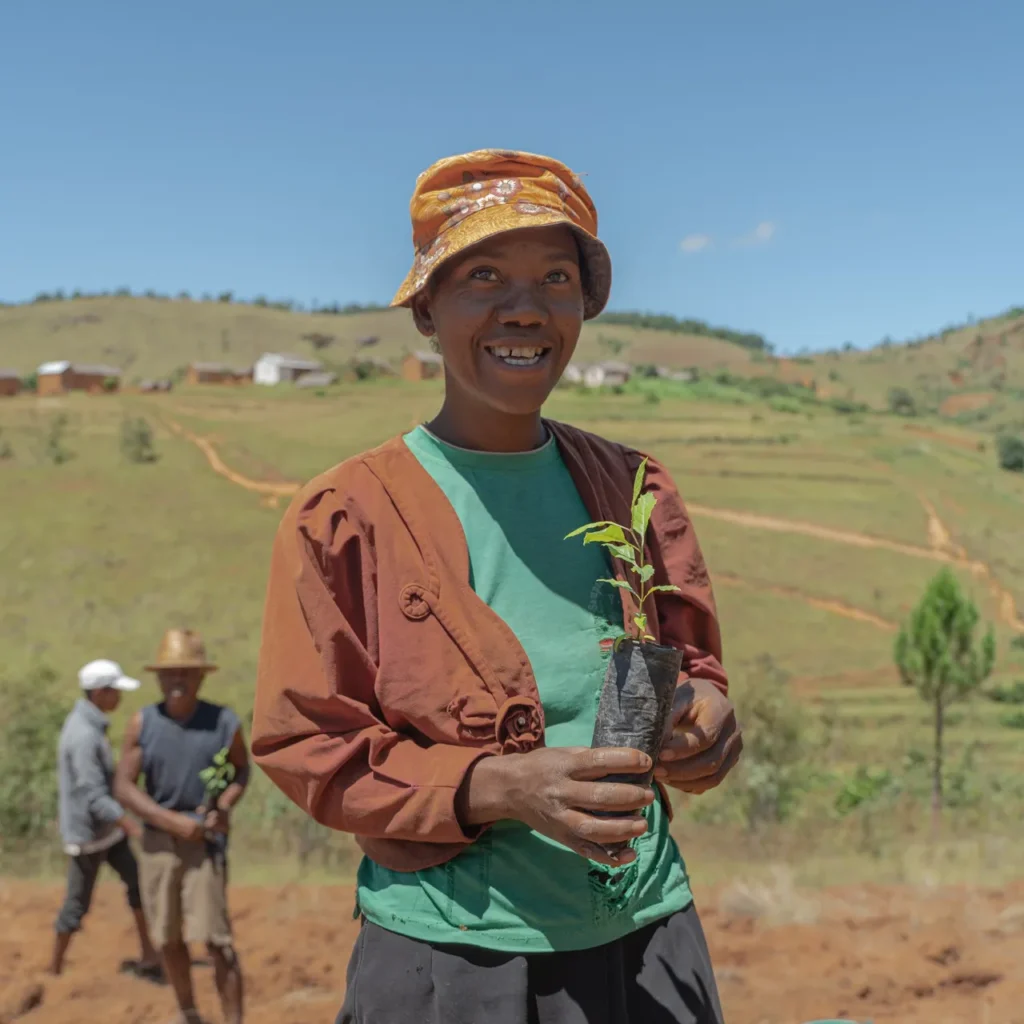
Mangroves & agroforestry in Madagascar
In Madagascar, social enterprise Bôndy and Go Forest focus on planting trees in an agroforestry system as well as mangroves in coastal areas.


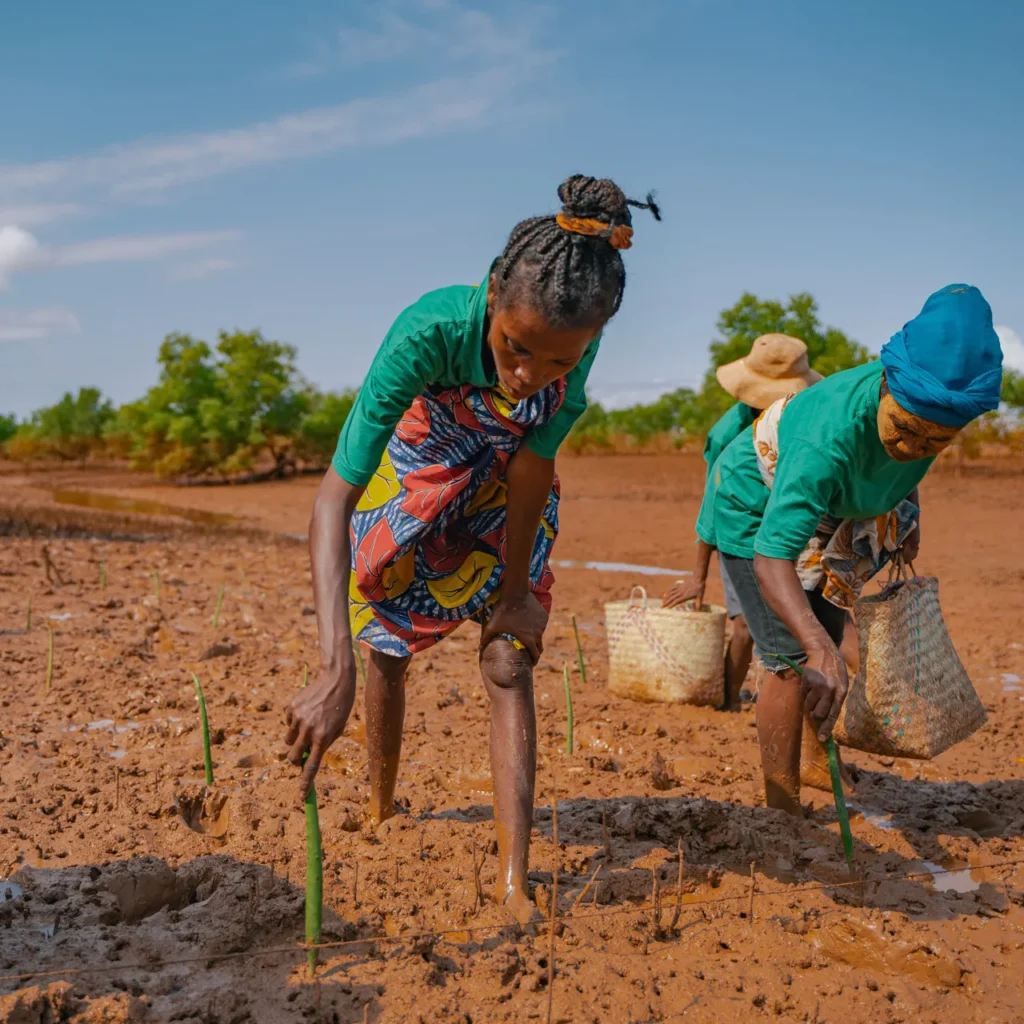
Mangroves in Madagascar
Gold Standard ⎸ Pre-finance credits
This project restores degraded mangrove forests along Madagascar’s coastline, strengthening natural coastal protection and climate resilience. By replanting native species, it captures carbon and safeguards biodiversity. Local communities benefit through sustainable livelihoods such as fishing and small-scale entrepreneurship, creating long-term environmental and social value.

Forest corridors in Brazil
The Atlantic Forest in Brazil is the world's most important ecosystem next to the Amazon forest - and it's quickly disappearing. Less than 15% of the forest remains; if we don't take action now, it will be gone within a generation.


Reforestation & Agroforestry in Tanzania
The aim of the reforestation project is to restore the loss of biodiversity and regain the nature of the Magamba Nature Forest Reserve by planting new trees. In cooperation with the Changamoto Youth Development Organization.


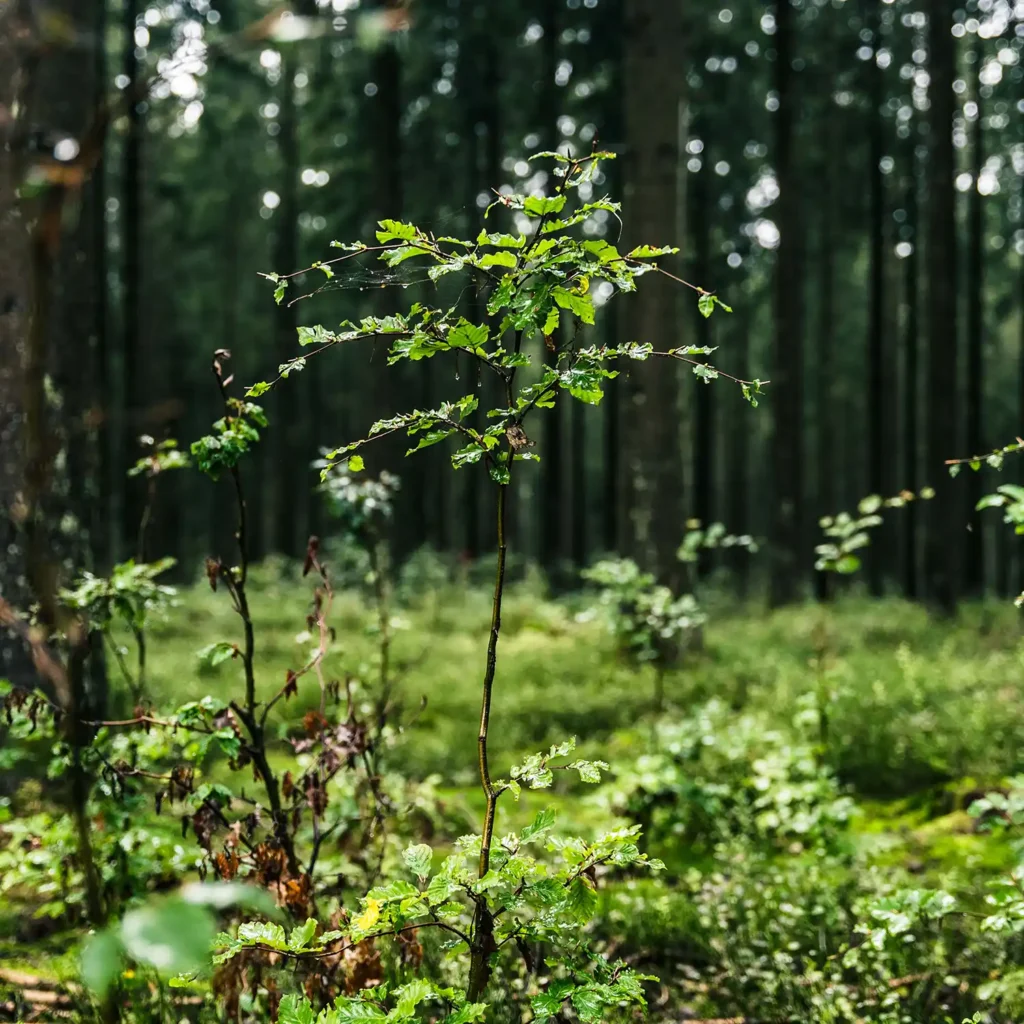
Reforestation in Europe
Thousands of hectares of forests are threatened by climate change, pests, and diseases in Europe. That is why we, together with Sylva Nova, decided to give the forest ecosystem in Europe a hand as well.


Afforestation in Armenia
Armenia faces significant risks caused by climate change. Exceptional weather phenomena and their consequences have become especially frequent: droughts, landslides and forest fires. Together with our partner My Forest Armenia, our afforestation projects fight desertification, combat soil erosion, and preserve the water.

Agroforestry in Peru
In Peru, the community-based agroforestry project in cooperation with Camino Verde focuses on partnering with indigenous communities in Peru’s Amazon region to build diverse agroforestry systems and regenerative supply chains for endangered species.


Peatland restoration and protection in Indonesia
Verra ⎸ Off-take credits
This project protects and restores critical peatland ecosystems in Indonesian Borneo, preventing emissions from deforestation and peat degradation. Through rewetting and reforestation, it delivers verified emission reductions while safeguarding biodiversity. Community programmes in employment, healthcare, and education support long-term local resilience.