


Forests do far more than store carbon
It is worth repeating this message again and again. Forests cover about 32% of the Earth’s land area, store 714 gigatonnes of carbon and host up to 80% of all terrestrial biodiversity. They are essential for food security, nutrition and livelihoods, and they supply renewable materials and energy. Nearly one in three people worldwide depends on forests and trees for food and income. Forests also regulate the carbon and water cycles. They reduce the risk and impact of drought, desertification, soil erosion, landslides and floods.
The threat goes beyond deforestation
Deforestation continues, but the report makes clear that the picture is broader than loss alone. Vast areas of land worldwide are degraded, including a large share of forest land. Disturbances are also intensifying. Every year, fires affect huge areas of forest, while insects, diseases and extreme weather cause further damage. Forests are thus under pressure on several fronts at once. Climate change, biodiversity loss, pollution, mining, fossil fuel extraction and unsustainable forest management all weaken their resilience. Meanwhile, global demand for forest products keeps rising. Population growth, urbanization, infrastructure, energy needs and a growing bioeconomy all drive it up.
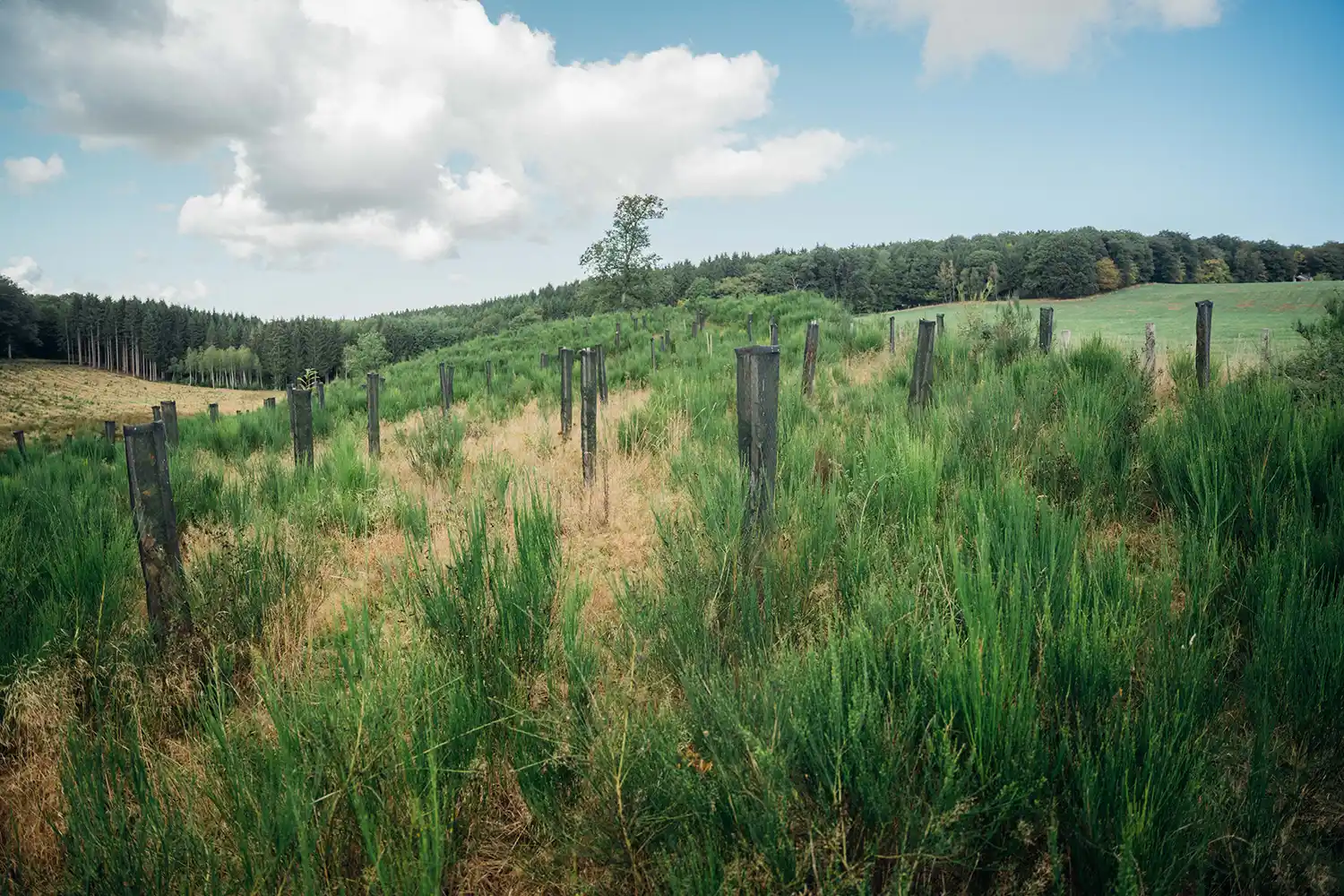
This is exactly why Go Forest does not focus on planting new forests alone. We also invest in strengthening and rehabilitating existing forest ecosystems, through approaches such as assisted natural regeneration (ANR) and adaptive forest management.
Restoration is an investment, not a cost
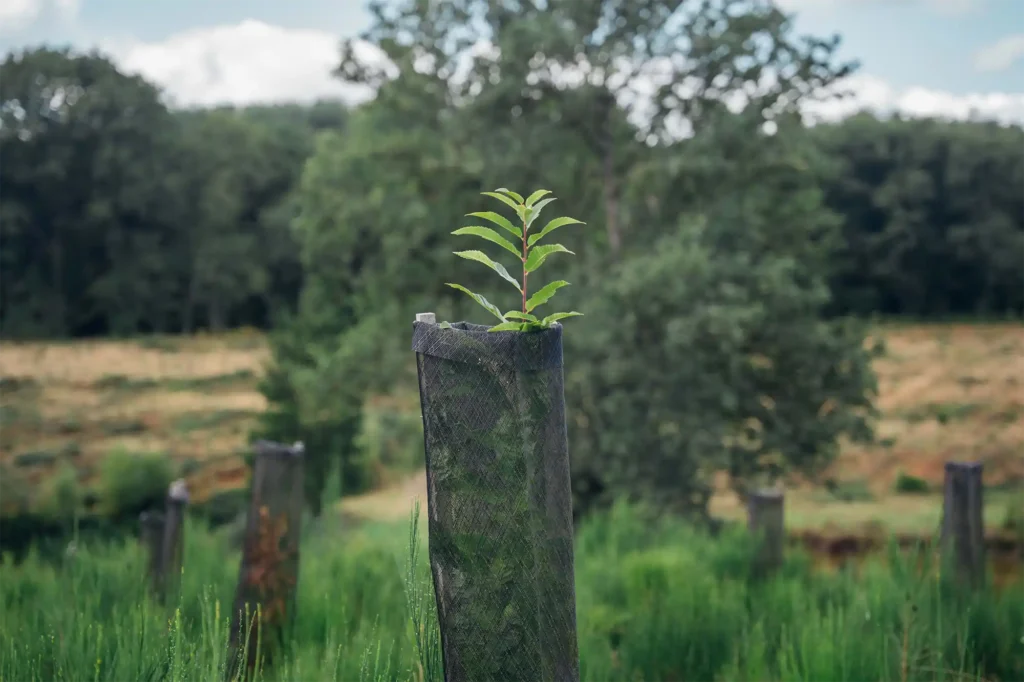
FAO describes forest restoration as an essential response to four connected challenges, namely food insecurity, climate change, biodiversity loss and land degradation. The economic case is strong. Under favourable conditions and over long time horizons, restoration can return up to USD 30 for every dollar invested. Healthy ecosystems underpin more than half of global GDP and are fundamental to economic stability. The economic cost of doing nothing is far higher than the cost of restoration. And on top of that come social and cultural losses.
Companies cannot ignore the link with their business
This is a message we want every business to hear. Healthy ecosystems underpin more than half of global GDP. Degradation and climate change expose companies to growing physical, regulatory, reputational and financial risks. Restoration reduces those risks, strengthens value chains and creates new market opportunities. Yet the report notes that restoration is still often undervalued compared with short-term extractive land uses. Companies that act now have a lot to gain!
Four pathways that need to work together
The report describes four interlinked pathways for restoration at scale. These are people, land, finance and business, and policy coherence and law. None of them works in isolation. Here is how we see each one in practice.
1. People at the centre
Indigenous peoples and local communities should be recognized as key actors, and their rights, knowledge and priorities should shape restoration outcomes. A co-creative approach delivers ecological recovery alongside inclusive socioeconomic benefits.
It’s important to understand that restoration involves many actors. Some live in and shape the landscape, while others finance it. Local rights holders often have different perspectives and needs than private companies. At Go Forest, we see building that bridge as a core part of our role.
That is why we always work with local partner organizations. They know the landscape best and are known and trusted within the community. They listen to the people living there and stay in continuous dialogue with them. This way, communities keep a voice in, and autonomy over, their own landscape.
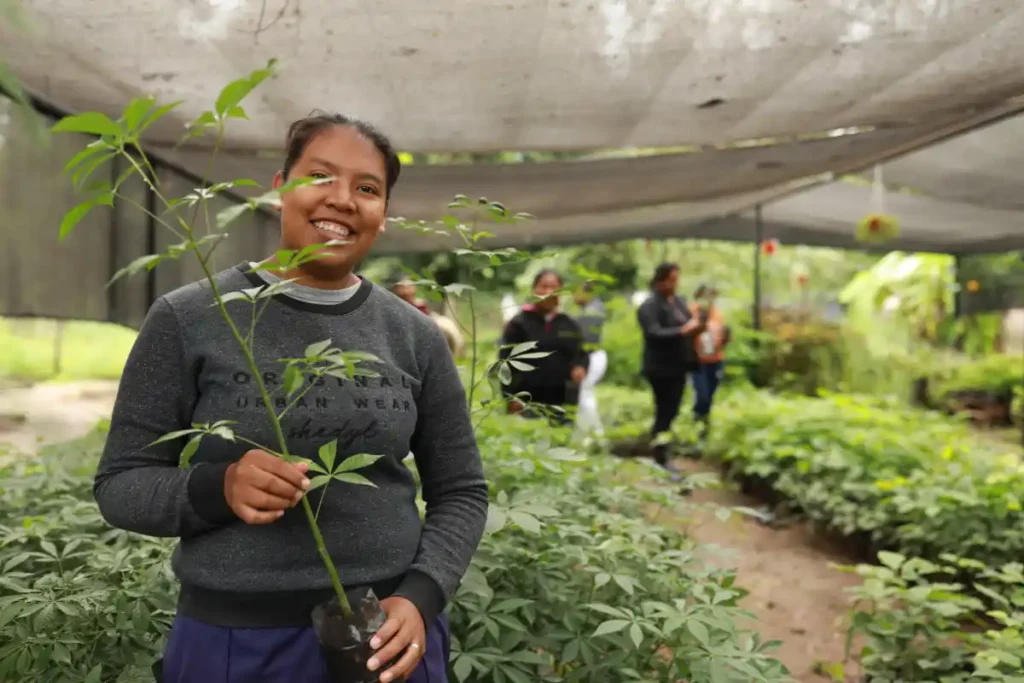
The report also stresses that effective restoration depends on combining scientific, practitioner, local and Indigenous knowledge. Our Mother’s Womb project in the Argentina Gran Chaco is one example of what that looks like in practice. With our partner Alianza Wichi, the Wichi people are restoring degraded forest using an ancestral seeding technique. The community developed the method, and a research centre built with a university studies it, so traditional knowledge and science reinforce each other. Many benefits are not even monetary. Social cohesion, stronger local institutions and revitalized traditional knowledge are essential for long-term stewardship.
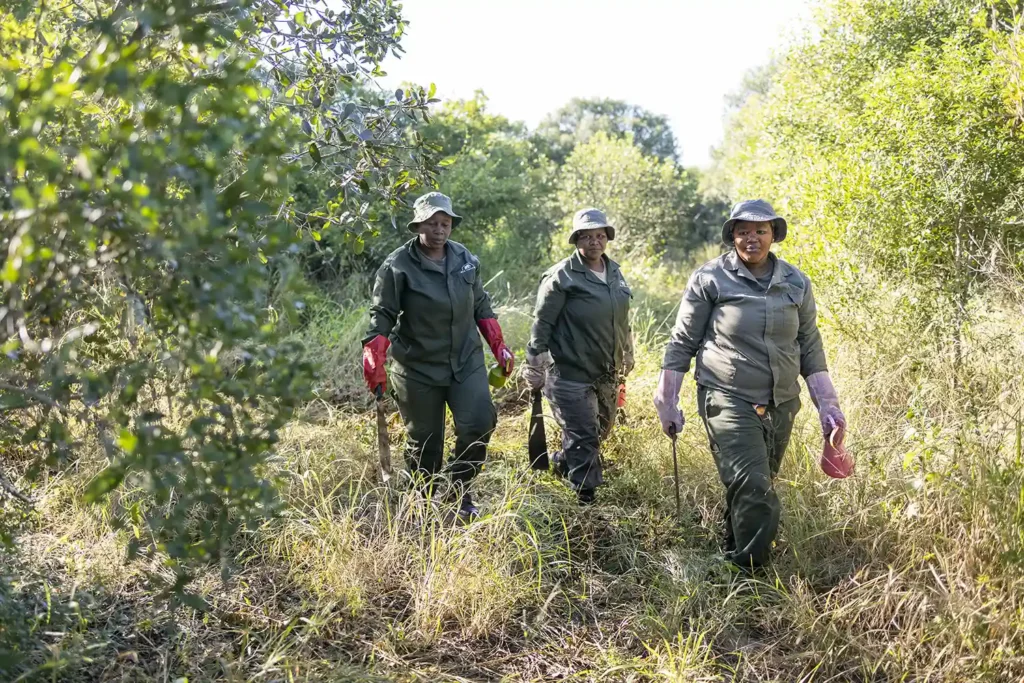
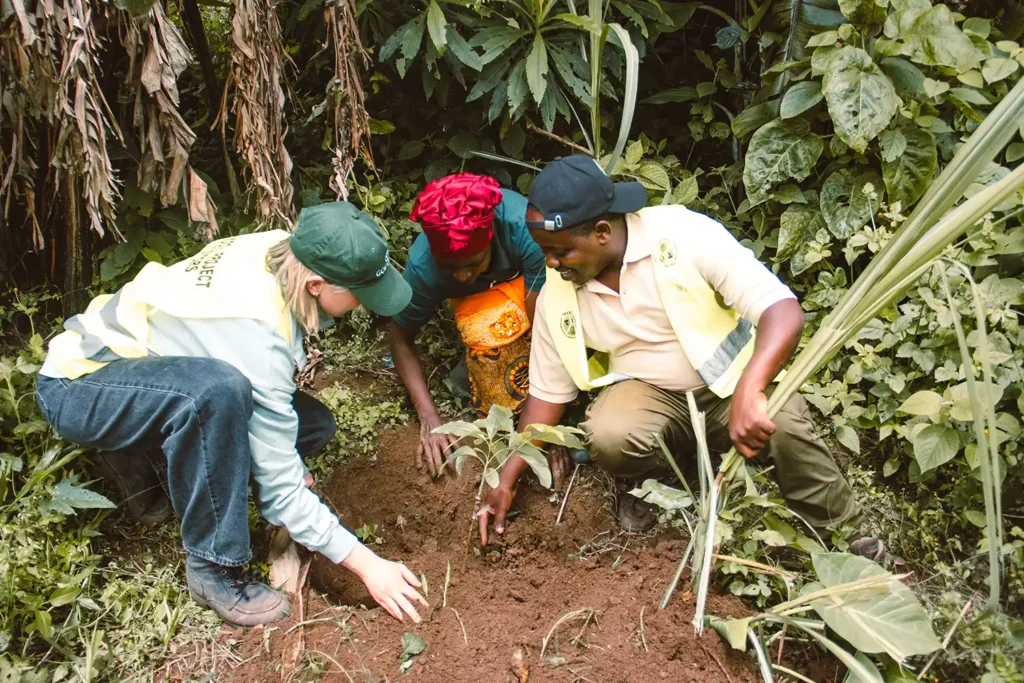
Restoration also shapes livelihoods through access to resources, employment and income. FAO highlights that restoration can diversify livelihoods, strengthen local capacities and governance, and build resilience. These benefits are especially important for women and marginalized groups. Our sand forest project in Maputaland, South Africa, with Wild Tomorrow is another example, where the Green Mambas play a key role. This all-female restoration team grows native trees, plants them, monitors them and removes invasive species. The work gives them stable income and new skills, and it supports more than 120 family members and dependents.
One more point we want to emphasize is that restoration costs are spread across different stakeholders, and local landowners and communities carry a real share of them. Investing in restoration therefore does not automatically mean you own the forest or the trees. Ownership stays with the people on the ground, and that is precisely what makes restoration last.
2. Restoration at landscape scale
Restoration needs to be planned at landscape level, balancing conservation, production and livelihoods through approaches that fit the local context. Our projects are located in exactly those landscapes, where ecological functions, production systems and livelihoods interact.
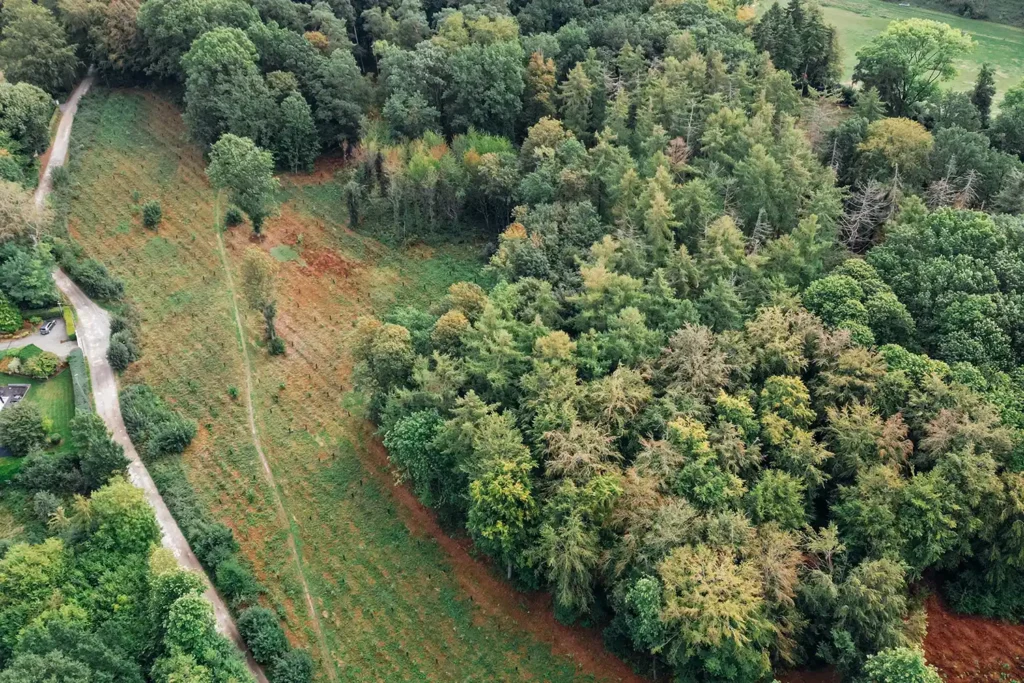
We understand the importance of approaching them in a balanced way. Recognizing that forests serve many functions is key. FAO calls for reducing the negative ecological impact of production while strengthening the land’s capacity to deliver multiple benefits. It names agroforestry and smallholder tree farming as a key restoration opportunity. That is what our agroforestry projects do, for example in India, Tanzania, D.R. Congo and Peru, combining trees with food production and extra income for farmers. Another example is the thoughtful thinning we apply in our Belgian forests. It makes stands more resilient to drought, pests and fire, and the landowner can sell the harvested wood. Read more in our article on thinning practices.
3. Finance that fits restoration
Restoration finance needs to roughly quadruple. Current financing remains fragmented, short-term and insufficient. Restoration needs capital early on, while its benefits arrive over long time horizons. The report is clear that no single actor can close this gap, and that it will take a combination of public and private finance. At Go Forest we focus on mobilizing private funding. Too often, we still see a gap between how a company impacts and depends on nature and the restoration efforts it supports. Aligning the two is where the biggest opportunities lie.
4. Coherent policy and law
Coherent legal and institutional frameworks make restoration possible at scale and keep it durable over time. For companies, clear guidelines remove uncertainty and lower the barrier to invest.
Quality over quantity
FAO calls for pursue long-term, high-quality restoration rather than quantity alone, so that ecological and socioeconomic benefits last. We fully agree. More trees or more hectares do not automatically mean more impact, especially when quality, context-specific approaches and safeguards for the future are lost along the way. Raising awareness about this with companies remains a big part of our work.
From measuring hectares to measuring impact
The report highlights that most data still focus on area restored rather than impact. Hectares remain a necessary measure, but they do not show whether ecosystems are recovering, livelihoods are improving or resilience is growing. FAO names the lack of reliable assessments of ecological and socioeconomic effects as a major challenge. It recommends investing in monitoring, data and learning systems with indicators focused on impact.
We understand the importance of this and are continuously investing in better monitoring and impact measurement. We are developing an additional offering for companies, covering impacts such as biodiversity, water management and soil quality. It will give companies that invest in restoration a structured way to follow the results of their investment.
Investing in restoration pays off for your business
Your business depends on healthy ecosystems, whether through raw materials, water or stable supply chains. As forests degrade, these foundations weaken and risks grow. Investing in restoration protects what your business relies on.
Restoration should be seen as an investment rather than a cost. It reduces physical, regulatory, reputational and financial risks, strengthens your value chain and prepares your company for stricter sustainability requirements. At the same time, it opens new opportunities and shows clients, employees and investors that you take your responsibility seriously.
Companies that act now build the knowledge, partnerships and credibility that will make the difference in the years ahead. Waiting only makes the challenge bigger and more expensive. The question is no longer whether to invest in restoration, but how to do it well.
Ready to take that next step? Book a meeting and let’s explore how your company can invest in restoration that lasts.