Carbon credits

A powerful solution to offset your inevitable emissions.

Our certified projects are designed for organisations that require verified carbon credits to support net-zero strategies or carbon neutrality claims. These initiatives generate independently verified emission reductions while prioritising local communities and long-term forest resilience. Each project is backed by rigorous due diligence and monitoring to safeguard quality and long-term impact.

  • Standards: Plan Vivo, Gold Standard, Verra
  • Regions: Africa & Asia
  • Participation models: Pre-financing (project development) and off-take credits (post-verification purchase)
  • Social impact: Strong emphasis on socio-economic benefits and community development

Off-take credits

You buy credits that already exist and are listed in a registry (reported or verified).

Pre-finance credits

You invest now and receive future credits once they are generated and registered.

Looking to offset your CO₂ emissions in a credible and impactful way?

Beyond CO₂

Our projects go beyond the transfer of credits. They create real opportunities for local communities, build resilient livelihoods, and support long-term development where forests grow. At the same time, restoration improves biodiversity and soil health, ensuring that climate action delivers wider environmental value.

And the impact does not stop once credits are issued. Through our impact platform, partners can follow their trees with transparent monitoring, satellite imagery, and regular field updates, making it easy to communicate their progress with stakeholders.

Pre-finance carbon credits

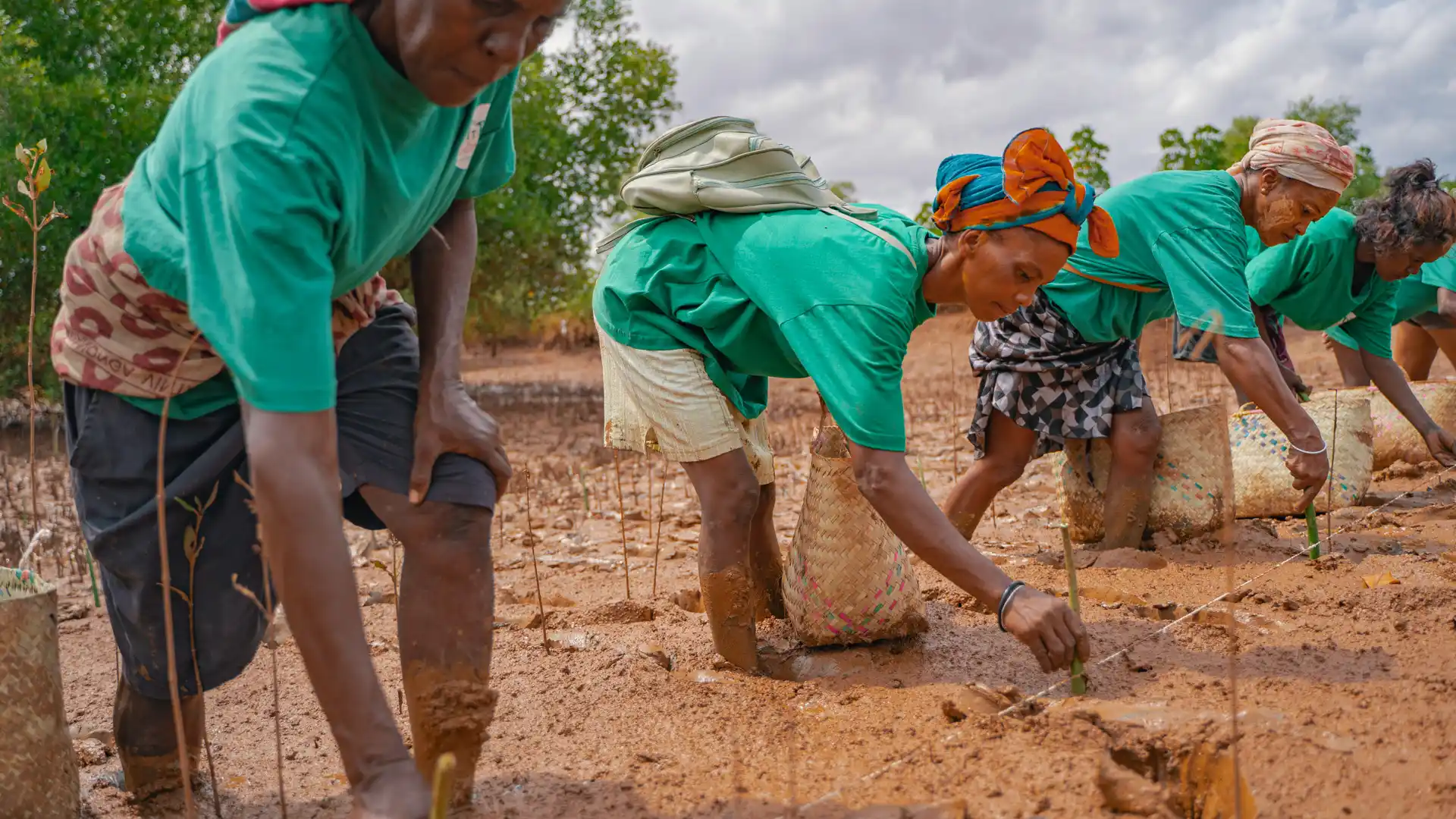
This Gold Standard certified mangrove restoration project in Madagascar combines climate action with coastal protection and community development. Madagascar hosts a significant share of Africa’s mangroves, yet these ecosystems are under severe pressure due to deforestation.

By restoring degraded mangrove areas with native species in close collaboration with local communities, the project sequesters carbon, protects biodiversity and supports sustainable livelihoods such as fishing and small scale entrepreneurship, ensuring long term ecological and socio economic value.

Off-take carbon credits

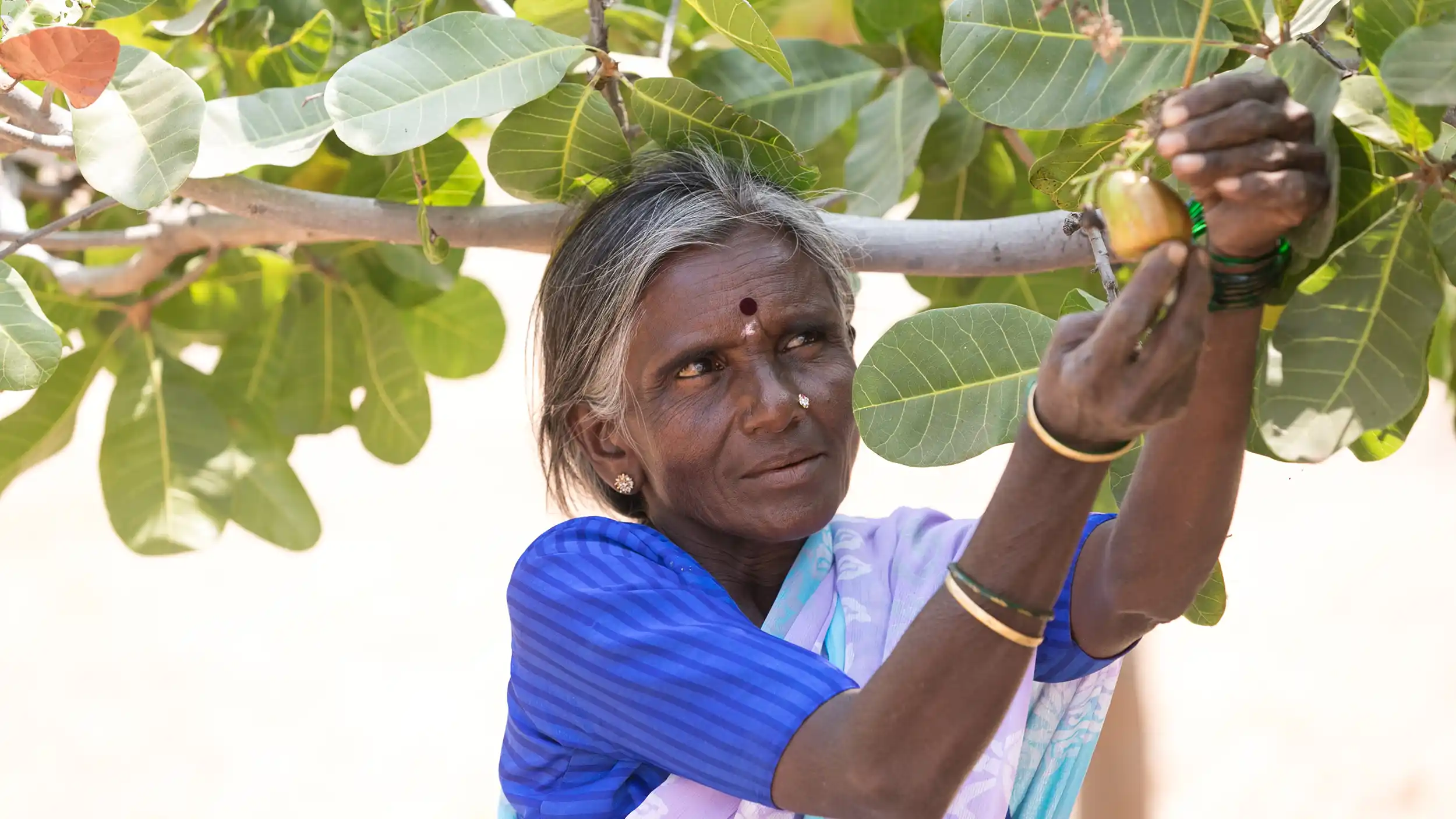
This Gold Standard certified agroforestry project in India supports marginal farmers facing extreme drought and climate related challenges. The initiative increases tree cover on privately owned land, enabling farmers to strengthen their resilience while integrating trees into productive agricultural systems.

Farmers generate income from carbon revenues as well as non timber by-products, helping to diversify and secure income sources. A strong focus on education, gender equality and economic empowerment ensures that climate action directly strengthens rural livelihoods.

These are just two examples of how carbon credits can grow into real impact.
Book a meeting with our team to discover the initiatives that align best with your strategy.

Discover our projects

Agroforestry in India

Gold Standard ⎸ Off-take credits

This project supports marginal farmers in drought-prone regions of India by establishing resilient agroforestry systems. By integrating trees into existing farming systems, it enhances climate resilience and improves soil health and biodiversity. Carbon revenues and non-timber products diversify income, while education and gender equality initiatives strengthen rural communities.

Learn more about agroforestry in India

Mangroves in Madagascar

Gold Standard ⎸ Pre-finance credits

This project restores degraded mangrove forests along Madagascar’s coastline, strengthening natural coastal protection and climate resilience. By replanting native species, it captures carbon and safeguards biodiversity. Local communities benefit through sustainable livelihoods such as fishing and small-scale entrepreneurship, creating long-term environmental and social value.

Learn more about mangroves in Madagscar

Peatland restoration and protection in Indonesia

Verra ⎸ Off-take credits

This project protects and restores critical peatland ecosystems in Indonesian Borneo, preventing emissions from deforestation and peat degradation. Through rewetting and reforestation, it delivers verified emission reductions while safeguarding biodiversity. Community programmes in employment, healthcare, and education support long-term local resilience.
Learn more about peatland restoration in Indonesia

Some frequently asked questions

Our carbon credit projects place a strong emphasis on social impact alongside climate mitigation. In many regions in the Global South, communities are heavily affected by climate change while depending directly on natural ecosystems for their income. The need for projects that combine carbon sequestration with livelihood development is therefore particularly high in these regions.

These initiatives are designed to create measurable climate benefits while strengthening local economic stability. By working closely with communities, restoration efforts translate into tangible value on the ground.

We are equally committed to high quality restoration in Europe. For organisations seeking an additional level of verification, third-party validation by Vinçotte is available through our Guarantree label, confirming long term ecological protection and transparent oversight.

We believe climate action should create value both globally and locally. The right balance depends on your strategy, and we are always happy to explore this together.

Carbon credits can support net-zero strategies and carbon neutrality claims. They play a role in neutralising residual emissions after companies have significantly reduced their own footprint.

Under frameworks such as CSRD and the GHG Protocol, companies must first transparently report their Scope 1, 2 and 3 emissions and prioritise reductions in line with science-based pathways. For net-zero targets, organisations must explain how residual emissions (typically after achieving 90 to 95 percent reductions) will be addressed and clarify the role credits play in that strategy. Carbon credits do not reduce reported emissions. They must be disclosed separately and double counting is prohibited.

In addition, through a Beyond Value Chain Mitigation approach, organisations can contribute to verified climate projects outside their operational boundaries while continuing to decarbonise internally.

For more context on how certified and non-certified restoration pathways fit within your strategy, we invite you to read our blog article.

Your investment does not end with the transfer of credits. Through the publicly available dashboards, we won’t only keep you but also your stakeholders updated on the progress made in the field.

The dashboards provide ongoing insight into project information, imagery and news updates, allowing you to follow up on your investment and transparently communicate your impact over time.

For pre-finance projects, this is complemented by rigorous follow-up through certification and verification reports as credits are issued.

The main difference lies in purpose, structure and claims.

Our certified projects are developed under internationally recognised carbon standards and generate independently verified carbon credits. These credits can support net-zero strategies or carbon neutrality claims and follow strict methodologies for carbon accounting, monitoring and verification.

Our non-certified tree planting initiatives focus on high-quality ecosystem restoration without entering formal carbon credit accounting. They are particularly suited for organisations seeking to demonstrate environmental leadership, strengthen stakeholder engagement and contribute to biodiversity and community development without making carbon offset claims.

Both pathways follow our core principles. We plant the right species in the right ecosystems, prioritise local communities and apply rigorous due diligence and monitoring across all projects . The difference is not in commitment to quality, but in the certification framework and how impact can be communicated.

For a more in depth comparison of certified and non-certified ecosystem restoration pathways, we invite you to read our blog article.

Blue carbon credits are carbon credits generated from the protection, restoration, or sustainable management of coastal and marine ecosystems, such as mangroves, seagrasses, and salt marshes. These ecosystems are highly efficient at sequestering carbon, playing a crucial role in mitigating climate change. Blue carbon credits are important because they help reduce greenhouse gas emissions while preserving vital ecosystems that provide a range of benefits, including biodiversity conservation, coastal protection, and supporting local communities.

In Madagascar, we are developing blue carbon credits in collaboration with our field partner Bôndy, focusing on the restoration and protection of coastal ecosystems to ensure long-term climate resilience and sustainable community development.

Got more questions? Take a look at our full FAQ.
If you still don’t find the answer, get in touch with our team!

Let's start planting!

for people, planet, and future.