Certified vs. non-certified ecosystem restoration: Navigating the right choice for your company

Companies are under increasing pressure to show that their sustainability strategies deliver measurable impact. One of the most strategic choices they face is how to approach ecosystem restoration. Should projects be linked to carbon credit certification or should they focus on non-certified initiatives? As the Corporate Sustainability Reporting Directive (CSRD) reshapes disclosure requirements across Europe, this decision has become a matter of credibility and compliance, with direct implications for long-term strategy.

Enhancing forest resilience through thoughtful thinning practices

An interesting article published in Forest Ecology and Management sheds light on a question we often receive at Go Forest: why do we thin our forests? In the meta-analysis, Chagnon et al. (2025) analyzed 50 peer-reviewed field studies across temperate and boreal forests in Europe and North America. They examined how different thinning strategies impact forest resilience and resistance to four major stressors: drought, pests, windstorms and fire.

From net zero to nature positive: the next frontier in corporate sustainability

For years, net zero has been the dominant framework for climate action. But as biodiversity loss accelerates and ecosystems collapse, it’s clear that carbon neutrality alone won’t secure a livable planet. A new paradigm is emerging. One that recognizes nature as the foundation of climate stability, human health and economic resilience. That paradigm is nature positive.

Forests: our green allies in the fight against climate change

Forests are much more than just a source of tranquility and nature experience. They play a key role in global efforts to combat climate change. As natural “carbon sinks,” they absorb large amounts of CO₂ from the atmosphere. But this delicate balance is under pressure.

Let’s talk about the looks of a young forest

When you look at a freshly planted forest, you might expect to see tall trees, dense shade, a vibrant understory… But instead, you’re probably seeing something that feels a bit messy, too open, or even unfinished. And that’s completely normal.

Why we started in the Amazon

In 2020, Go Forest planted its first trees in the Amazon. Not just any location, but a region that is crucial to the health of our planet. This project marked the beginning of something significant: a mission to create a positive impact on both the environment and local communities. But why did we start here?

Without bees, no forests: why these pollinators matter more than you think

They may be small and easy to overlook, but bees are essential to life on Earth. While we often associate them with flowers and honey, their role in maintaining ecosystems reaches much further. They support the regeneration of forests, help biodiversity flourish and connect countless elements of the natural world. In this blog post, we explore why bees are under threat, what makes them so important for forests, and how we at Go Forest contribute to a future where both bees and forests can thrive.

Why partnering with private landowners is a smart choice for corporate reforestation initiatives
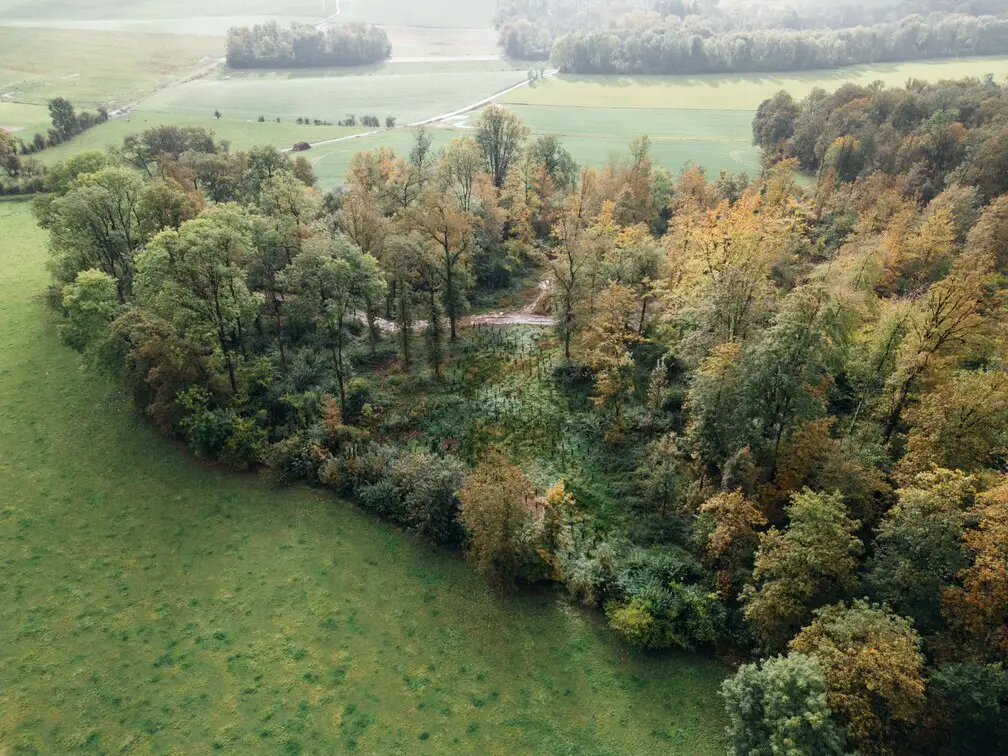
In the face of global change and environmental degradation, reforestation has become a key strategy for restoring our planet’s ecosystems. While publicly owned lands play a significant role in conservation efforts, there’s a growing recognition of the importance of supporting private landowners throughout their forest restoration and management activities. This article explores how focusing on private lands may be the next ‘reforestation boom’, and how it can be particularly effective for companies interested in sustainable forest restoration projects to integrate into their sustainability journey.

Purpose Statement

Go Forest has been dedicated to planting trees for four years, actively working across 17 countries, primarily funded by corporate partnerships. We aim to continue expanding our reach and impact, contributing to a greener future for all.

Book review: Entangled Life by Merlin Sheldrake

Entangled Life by Merlin Sheldrake explores the mysterious, often overlooked, and maybe even underrepresented world of fungi. Sheldrake, a biologist with a deep passion for mycology, invites you to reconsider your understanding of life, ecosystems, and the interconnectedness of all living things through the lens of these fascinating organisms.